
Quick Answer
Understanding assault vs battery in florida comes down to physical contact. Assault is an intentional, unlawful threat or attempt to cause physical harm that creates a reasonable fear of imminent violence, requiring no physical touch. Battery occurs when an individual intentionally touches or strikes another person against their will or causes bodily harm. Both are serious criminal offenses with distinct penalties under Florida law.
Navigating the complex criminal justice system in South Florida can feel overwhelming when facing violent crime allegations. Many people use the terms assault and battery interchangeably, but in the legal system, they represent two separate offenses with different elements of proof. Whether you are facing charges in Palm Beach County, Broward County, or Miami-Dade County, understanding the nuances of assault vs battery in florida is essential for building an effective defense. Defense attorney Dominique Russo provides knowledgeable guidance to protect your rights throughout every stage of the legal process.
What Is the Difference Between Assault and Battery Under Florida Law?
To understand what is the difference between assault and battery, one must examine how Florida Statutes define conduct and intent. Under state law, assault focuses on the threat of harm, while battery focuses on actual physical contact. An individual can be charged with assault without ever touching the alleged victim, whereas battery requires unwanted physical contact or inflicted injury.
Read more about assault vs battery charges to see how prosecutors evaluate specific evidence when filing formal charges in local courts.
Legal Definition of Assault in Florida

Under Florida Statute Section 784.011, assault is defined as an intentional, unlawful threat by word or act to do violence to another person. To secure a conviction for simple assault, the prosecution must establish three specific elements beyond a reasonable doubt:
- The defendant made an intentional and unlawful threat to do violence.
- At the time, the defendant had the apparent ability to carry out the threat.
- The act created a well-founded fear in the victim that violence was imminent.
Simple assault is classified as a second-degree misdemeanor in Florida, punishable by up to 60 days in jail and fines up to $500.
Legal Definition of Battery in Florida
According to Florida Statute Section 784.03, battery occurs when a person actually and intentionally touches or strikes another person against their will, or intentionally causes bodily harm to another individual. Unlike assault, battery requires actual physical contact, regardless of how minor that contact might be.
Simple battery is charged as a first-degree misdemeanor, which carries penalties of up to one year in jail, one year of probation, and fines reaching $1,000.
| Legal Element | Simple Assault (§ 784.011) | Simple Battery (§ 784.03) |
|---|---|---|
| Physical Contact Required | No contact needed; threat is sufficient | Yes; unwanted physical touch or injury |
| Offense Level | Second-Degree Misdemeanor | First-Degree Misdemeanor |
| Maximum Jail Sentence | Up to 60 days | Up to 1 year |
| Maximum Fine | $500 | $1,000 |
Which Is Worse: Assault or Battery in Florida Penalties and Severity

When clients ask which is worse assault or battery, the legal answer depends on the presence of physical harm and aggravating factors. Generally speaking, battery is considered worse than assault in terms of criminal classification and maximum statutory penalties. Because battery involves actual non-consensual physical contact, lawmakers assign higher baseline punishments to it.
However, whether is battery or assault worse can shift dramatically depending on the specific circumstances. For instance, an assault committed with a deadly weapon elevates the charge to a serious felony, carrying far harsher consequences than a simple battery charge. Prosecutors across South Florida evaluate aggravating factors such as weapon use, victim status, and prior criminal history when determining official charges.
Learn more about aggravated assault with a deadly weapon defense to understand how felony enhancement alters the severity of a case.
| Charge Type | Florida Felony Class | Maximum Prison Term | Mandatory Minimum Penalties |
|---|---|---|---|
| Aggravated Assault | Third-Degree Felony | Up to 5 years | 3 years if firearm involved |
| Felony Battery / Prior Convictions | Third-Degree Felony | Up to 5 years | Varies by sentencing score |
| Aggravated Battery | Second-Degree Felony | Up to 15 years | Strict guidelines under Florida scoresheet |
Aggravated Assault and Battery in Florida: Felony Charges and Consequences
Elevating a charge to aggravated assault and battery in florida changes the legal situation from a minor misdemeanor to a major felony. Under Florida Statute Section 784.021, aggravated assault involves committing an assault either with a deadly weapon without intent to kill, or with an intent to commit a felony. This third-degree felony carries severe mandatory minimum sentencing if a firearm is involved.
Conversely, aggravated battery under Florida Statute Section 784.045 occurs when a person causes great bodily harm, permanent disability, or permanent disfigurement, or uses a deadly weapon during the offense. Aggravated battery is classified as a second-degree felony, exposing defendants to up to 15 years in state prison and up to $10,000 in fines.
For those facing charges in Palm Beach County, retaining an experienced Palm Beach aggravated assault lawyer can make a critical difference in challenging the prosecution’s evidence, asserting self-defense, or negotiating reduced penalties under official Florida Statutes Chapter 784.
Regional Criminal Defense Insights: Palm Beach, Broward, and Miami-Dade Counties
Criminal charges are prosecuted on a county-by-county basis across South Florida, and local court policies can influence case outcomes.
- Palm Beach County (West Palm Beach, Boca Raton, Jupiter): The 15th Judicial Circuit handles cases with strict adherence to violent crime enforcement strategies. Formal pre-trial intervention programs may be available for eligible first-time misdemeanor battery offenders.
- Broward County (Fort Lauderdale, Hollywood, Pembroke Pines): Operating within the 17th Judicial Circuit, courts maintain heavy caseloads. Proactive defense representation can facilitate early negotiations with the State Attorney’s Office to resolve disputes before trial.
- Miami-Dade County (Miami, Coral Gables, Hialeah): As the largest circuit in Florida (11th Judicial Circuit), cases move quickly through complex court calendars. Securing legal counsel immediately helps preserve essential surveillance video and eyewitness accounts in busy urban environments.
How Dominique Russo Can Help Protect Your Rights
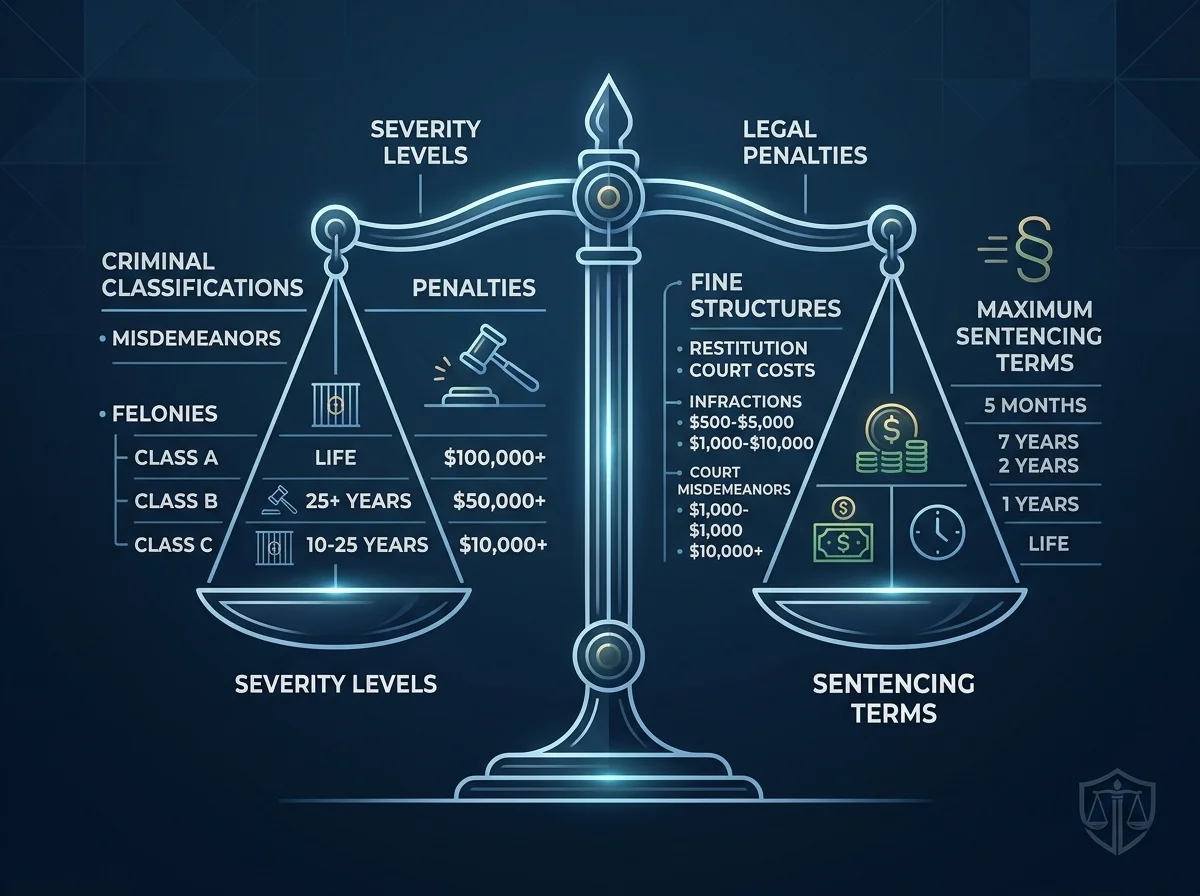
Facing criminal allegations requires a proactive legal defense tailored to the specific facts of your case. Potential defense strategies against assault and battery charges include self-defense, defense of others, defense of property, lack of intent, consent, or insufficient evidence. Dominique Russo thoroughly reviews police reports, witness statements, and electronic evidence to identify flaws in the prosecution’s claims.
Disclaimer: The information provided in this article is for educational purposes only and does not constitute formal legal advice. Criminal laws and procedures are subject to change. Consult a licensed attorney regarding your specific legal situation.
If you or a loved one are confronting charges involving assault vs battery in florida, securing legal counsel promptly is vital to safeguarding your record and future liberty.
Get a Defense Attorney Now
Contact Dominique Russo at Russo Law & Advocacy for a complimentary consultation. We serve clients across South Florida, including:
- Palm Beach County: West Palm Beach, Boca Raton, Jupiter
- Broward County: Fort Lauderdale, Hollywood, Pembroke Pines
- Miami-Dade County: Miami, Coral Gables, Hialeah
Frequently Asked Questions (FAQ) about Assault vs Battery in Florida
Can you be charged with assault and battery at the same time in Florida?
Yes. If a person verbally threatens someone with immediate violence and then proceeds to physically strike them, prosecutors can file separate charges for both assault and battery arising from the same incident.
What is the main difference in assault vs battery in florida cases?
The primary distinction is physical contact. Assault involves creating a reasonable fear of imminent violence through threats or actions without physical contact. Battery requires non-consensual physical contact or physical harm.
Which is worse assault or battery when considering potential jail time?
In simple cases, battery is considered worse because it carries up to 1 year in jail as a first-degree misdemeanor, whereas simple assault carries up to 60 days as a second-degree misdemeanor. However, aggravated assault with a weapon is a serious felony.
Can an assault charge be dismissed if no physical injury occurred?
Since physical injury is not a required element of assault in Florida, the absence of injury alone will not automatically dismiss the charge. However, lack of evidence showing a genuine threat or reasonable fear can lead to dismissal.
How does a defense attorney assist in aggravated assault and battery in florida cases?
A criminal defense lawyer evaluates witness statements, assesses self-defense claims under Florida law, negotiates with state attorneys in Palm Beach, Broward, or Miami-Dade courts, and works to reduce or dismiss charges.