Understanding Constructive Possession Drug Charges in Florida
When facing drug charges in Florida, you might be accused of constructive possession of drugs even if the substances weren’t found on your person. This complex legal concept can lead to serious convictions without actual physical possession. At Russo Law & Advocacy, drug crime defense attorney Dominique Russo defends clients across Palm Beach, Broward, and Miami-Dade Counties against these challenging allegations, employing sophisticated drug possession attorney strategies to protect your freedom and future.
Understanding constructive possession is crucial because prosecutors frequently use this theory when drugs are found in shared spaces, vehicles, homes, or workplaces. Whether you’re dealing with what happens if police find drugs in your house scenarios or vehicle searches, we build defenses that challenge the prosecution’s ability to prove essential legal elements.
What is Constructive Possession of Drugs in Florida?
Legal Definition
Constructive possession of drugs occurs when:
- Drugs are found in a location you control or have dominion over
- You have knowledge of the drugs’ presence
- You have ability to maintain control over the drugs
Under Florida Statute § 893.101, knowledge of the illicit nature of the substance is not an element that the prosecution must initially prove. Instead, the lack of such knowledge is an affirmative defense that you must establish. This means that while prosecutors must prove you knew the drugs were present in the location, the law creates a permissive presumption that you also knew the substance was illegal.
Unlike actual possession (drugs on your person), constructive possession involves control without physical contact.
Key Elements Prosecutors Must Prove
- Dominion and Control – You had authority over the location where drugs were found
- Knowledge – You knew the drugs were present
- Intent – You intended to exercise control over the drugs
Florida Case Law Foundation
Florida courts have established that mere proximity to drugs is insufficient for constructive possession conviction. Prosecutors must prove both control over the location and knowledge of the drugs’ presence.
Common Constructive Possession Scenarios
Vehicle Searches
When drugs are found in cars, prosecutors often allege:
- Driver possession – Drugs in console, glove compartment, or under seats
- Passenger possession – Drugs in areas accessible to multiple occupants
- Hidden compartments – Aftermarket modifications containing drugs
Vehicle drug testing and how often vehicle inspection procedures become critical evidence in these cases.
Home and Residence Searches
For what happens if police find drugs in your house situations:
- Multiple occupants – Drugs in common areas (living room, kitchen, bathroom)
- Shared bedrooms – Drugs found in rooms used by multiple people
- Hidden locations – Drugs in attics, basements, or storage areas
- Guest possession – Drugs belonging to visitors or temporary occupants
Workplace and Storage Scenarios
- Company vehicles with multiple drivers
- Shared lockers or storage units
- Rental properties with multiple tenants
- Boat or aircraft with multiple potential users
Defense Strategies Against Constructive Possession Charges
Challenging Knowledge Element
The most effective defense often attacks knowledge proof:
- Lack of awareness – You didn’t know drugs were present
- Recent acquisition – You recently obtained the vehicle or property
- Multiple users – Others had equal access and control
- Hidden locations – Drugs were concealed where you couldn’t reasonably know
Challenging Control Element
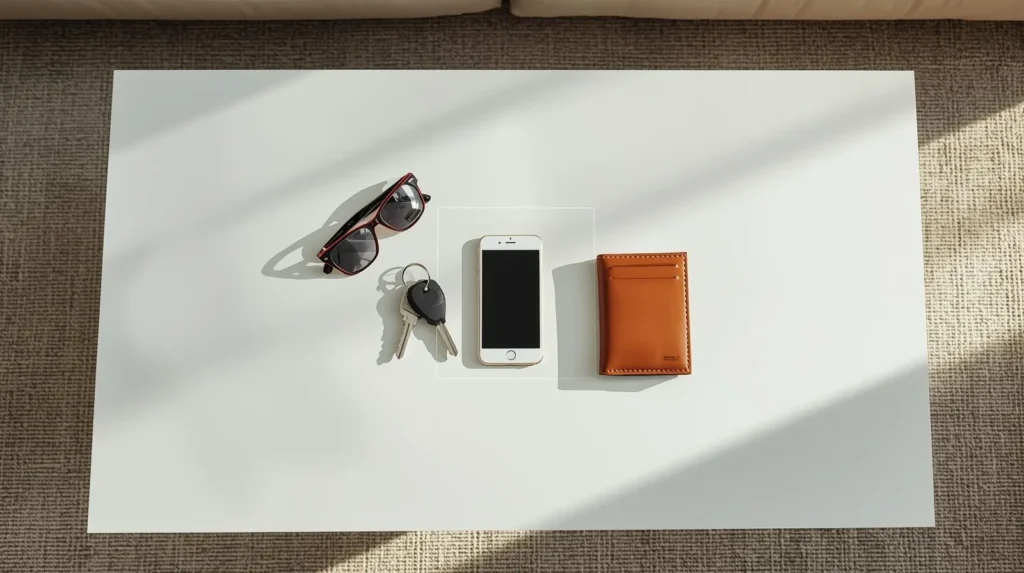
Proving you lacked dominion and control:
- Equal access defense – Multiple people had same access level
- Transient presence – You were temporarily in the location
- Lack of exclusive control – Shared spaces with others
- No connection evidence – No fingerprints, DNA, or personal items near drugs
Constitutional Defenses
- Illegal search and seizure – Violation of Fourth Amendment rights
- Lack of probable cause for search warrant or vehicle stop
- Miranda violations during interrogation
- Evidence contamination or mishandling
Forensic Challenges
- Fingerprint/DNA analysis showing no connection to drugs
- Drug testing errors in lab analysis
- Chain of custody issues with evidence handling
- Contamination possibilities in shared spaces
What Happens If Police Find Drugs in Your House?
Immediate Consequences
- Arrest of all occupants with potential access
- Search warrant expansion to entire property
- Property seizure possibilities under asset forfeiture laws
- Child protective services involvement if children present
Defense Considerations
- Establishing room-specific control versus whole-house access
- Proving recent move-in without knowledge of prior occupants’ items
- Demonstrating visitor possession during social gatherings
- Challenging search warrant validity and scope
Renter-Specific Defenses
- Landlord access to property
- Previous tenant possession
- Maintenance worker access
- Package/parcel delivery scenarios
Vehicle Searches and Constructive Possession
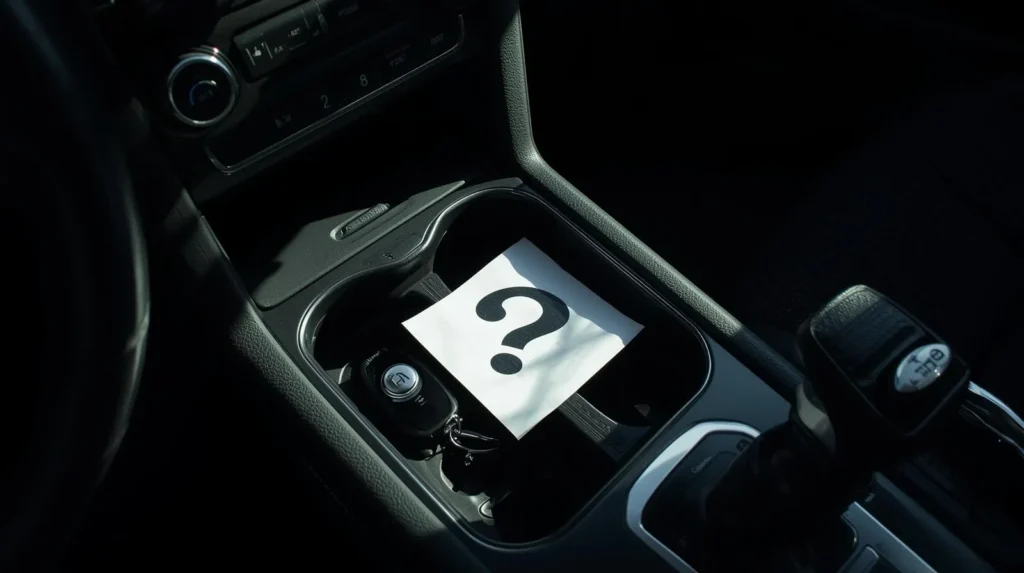
How Often Vehicle Inspection Triggers Searches
How often vehicle inspection encounters lead to drug discoveries:
- Routine traffic stops with plain view observations
- Checkpoint inspections revealing suspicious items
- Accident investigations uncovering hidden compartments
- Rental car returns with cleaning discoveries
Vehicle Drug Testing Procedures
- Canine sniffs – Reliability challenges and training documentation
- Field tests – High error rates and false positives
- Lab confirmation – Required for prosecution but often delayed
- Swab testing – For residue in vehicles with multiple users
Defense Strategies for Vehicle Cases
- Proving recent purchase or rental of vehicle
- Demonstrating multiple drivers with equal access
- Challenging traffic stop legality
- Questioning search scope beyond permissible limits
Penalties for Constructive Possession Convictions
Sentencing Based on Drug Type and Quantity
| Drug Type | Charge Level | Maximum Penalty |
|---|---|---|
| Cannabis (<20g) | 1st-degree misdemeanor | 1 year jail, $1,000 fine |
| Cocaine/Heroin | 3rd-degree felony | 5 years prison, $5,000 fine |
| Prescription drugs | 3rd-degree felony | 5 years prison, $5,000 fine |
| Trafficking quantities | Higher felonies | 3-25 year mandatory minimums |
What is the Penalty for Sharing Prescription Drugs?
Regarding what happens if police find drugs in your house involving prescription medications:
- Sharing controlled substances = 3rd-degree felony
- Penalties: Up to 5 years prison, $5,000 fine
- Professional consequences: License revocation for medical professionals
- Enhanced charges: If death or injury results from sharing
Collateral Consequences
- Driver’s license suspension (6 months minimum)
- Professional license revocation or suspension
- Immigration consequences for non-citizens
- Housing eligibility issues with drug convictions
- Employment barriers with criminal record
Possession Without Ownership Defense Strategies
Proving Lack of Ownership
In possession without ownership situations, we establish:
- Alternative ownership – Someone else claims the drugs
- Abandoned property – No one exercising control
- Planting evidence – Drugs placed without your knowledge
- Transitory possession – Momentary handling without intent to control
Common Defense Scenarios
- Passing drugs briefly without intent to possess
- Moving drugs to dispose of them properly
- Unwitting possession of borrowed items containing drugs
- Innocent handling of packages or containers
FAQs About Constructive Possession Charges
1. Can I be charged if drugs are found in my car but aren’t mine?
Yes, but the prosecution must prove you knew about them and had control. We challenge both elements.
2. What if multiple people live in a house where drugs are found?
All may be charged, but prosecutors must prove individual knowledge and control, often difficult with multiple occupants.
3. How can I prove I didn’t know about drugs in my vehicle?
Through evidence of recent acquisition, multiple drivers, or hidden locations you couldn’t reasonably access.
4. Are constructive possession penalties different from actual possession?
No, penalties are identical based on drug type and quantity, regardless of possession type.
5. Do you handle constructive possession cases throughout South Florida?
Yes. We serve all South Florida counties, including:
- Miami-Dade County (Miami, Coral Gables, Hialeah)
- Palm Beach County (West Palm Beach, Boca Raton, Jupiter)
- Broward County (Fort Lauderdale, Hollywood, Pembroke Pines)
Facing Constructive Possession Charges? Get Defense Help Now
If you’re facing constructive possession of drugs allegations, don’t risk conviction without experienced defense. Contact drug possession attorney Dominique Russo at Russo Law & Advocacy for a free consultation. As a skilled drug crime defense attorney, we serve clients across South Florida, including:
📍 Palm Beach County (West Palm Beach, Boca Raton, Jupiter)
📍 Broward County (Fort Lauderdale, Hollywood, Pembroke Pines)
📍 Miami-Dade County (Miami, Coral Gables, Hialeah)
“Constructive possession charges require sophisticated defense strategies. We challenge knowledge and control elements to protect your freedom and future.”