Understanding Criminal Mischief Charges in Florida
If you’re facing criminal mischief charges in Florida, you need an experienced criminal mischief lawyer who understands the significant difference between misdemeanor and felony allegations. At Russo Law & Advocacy, Dominique Russo defends clients across Florida against these charges, fighting to protect their records and secure the best possible outcomes.
Under Florida Statute § 806.13, criminal mischief involves willfully and maliciously damaging the property of another. The severity of charges—and whether you’re facing criminal mischief felony or criminal mischief misdemeanor allegations—depends primarily on the value of the damage and the specific circumstances involved.
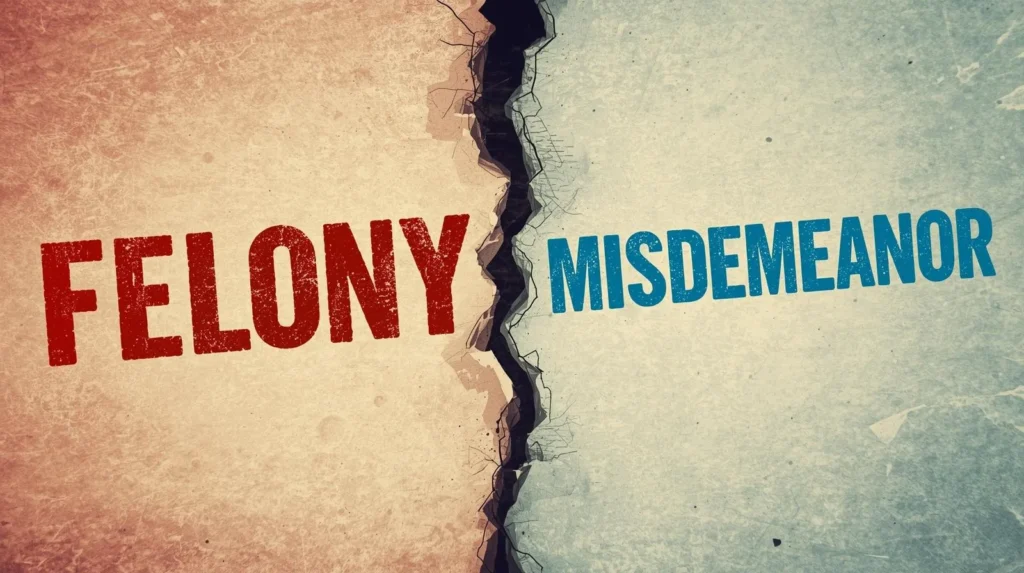
When is Criminal Mischief a Felony in Florida?

Many clients ask: is criminal mischief a felony? The answer depends on the damage amount and nature of the offense:
Criminal Mischief in the First Degree
- Damage of $1,000 or more
- Second-degree felony
- Up to 15 years in prison
- Fines up to $10,000
Criminal Mischief in the Second Degree
- Damage between $200 and $1,000
- Third-degree felony
- Up to 5 years in prison
- Fines up to $5,000
Aggravating Circumstances Creating Felonies
Even with lower damage amounts, criminal mischief felony charges can apply when the damage involves:
- Places of worship
- Government property
- Schools or educational facilities
- Interruption of public services (utilities, transportation)
Misdemeanor Criminal Mischief Charges

Criminal Mischief in the Third Degree
- Damage less than $200
- Second-degree misdemeanor
- Up to 60 days in jail
- Fines up to $500
Criminal Mischief in the Second Degree (Misdemeanor)
- Damage less than $200 to a public recreation facility
- First-degree misdemeanor
- Up to 1 year in jail
- Fines up to $1,000
Potential Sentence for Criminal Mischief
The sentence for criminal mischief varies dramatically based on the charge level:
Felony Sentencing
| Charge Level | Maximum Prison | Maximum Fine |
| 1st Degree Felony | 30 years | $10,000 |
| 2nd Degree Felony | 15 years | $10,000 |
| 3rd Degree Felony | 5 years | $5,000 |
Misdemeanor Sentencing
| Charge Level | Maximum Jail | Maximum Fine |
| 1st Degree Misdemeanor | 1 year | $1,000 |
| 2nd Degree Misdemeanor | 60 days | $500 |
Additional consequences may include:
- Restitution payments to the victim
- Probation with strict conditions
- Community service requirements
- Permanent criminal record affecting employment and housing
Defense Strategies for Criminal Mischief Charges
An experienced criminal mischief lawyer can employ multiple defense strategies:
Lack of Intent
- The damage was accidental rather than willful and malicious
- You had a good faith belief you had permission to modify the property
- The damage resulted from reasonable force in self-defense or defense of property
Misidentification
- You were not the person who caused the damage
- Witness credibility issues
- Alibi evidence placing you elsewhere
Property Value Challenges
- Disputing the alleged damage amount
- Challenging repair estimates as inflated
- Proving the property had minimal value
Constitutional Violations
- Illegal search and seizure
- Miranda rights violations during interrogation
- Due process violations in the investigation
Why You Need a Criminal Mischief Lawyer
Case Evaluation
- Assessing whether you’re facing criminal mischief felony or misdemeanor charges
- Evaluating the strength of the prosecution’s evidence
- Identifying weaknesses in the damage valuation
Negotiation Skills
- Seeking reduction of felony charges to misdemeanors
- Negotiating for pretrial diversion programs
- Arranging favorable plea agreements when appropriate
Trial Experience
- Cross-examining prosecution witnesses effectively
- Presenting compelling evidence and arguments
- Challenging forensic and valuation evidence
Long-Term Consequences of Criminal Mischief Convictions

Employment Impacts
- Background check issues
- Professional license denials or revocations
- Government employment ineligibility
Educational Consequences
- Financial aid eligibility issues
- College admission challenges
- Campus housing restrictions
Personal Consequences
- Firearm ownership restrictions (for felony convictions)
- Housing application rejections
- International travel limitations
FAQs About Criminal Mischief Charges
1. Is criminal mischief a felony for first-time offenders?
It can be—the charge level depends on damage amount, not criminal history.
2. Can criminal mischief charges be dropped?
Yes, through pretrial intervention, lack of evidence, or successful defense motions.
3. What’s the difference between vandalism and criminal mischief?
In Florida, vandalism is not a specific crime—all such offenses are charged as criminal mischief.
4. How is damage value determined?
Through repair estimates, replacement costs, or property depreciation calculations.
5. Do you handle criminal mischief cases throughout Florida?
Yes. We serve all Florida counties, including:
- Palm Beach County (West Palm Beach, Boca Raton, Jupiter)
- Broward County (Fort Lauderdale, Hollywood, Pembroke Pines)
- Miami-Dade County (Miami, Coral Gables, Hialeah)
Facing Criminal Mischief Charges? Get Defense Help Now
If you’re charged with criminal mischief, don’t risk your future. Contact Dominique Russo at Russo Law & Advocacy for a free consultation. We serve clients across Florida, including:
- Palm Beach County (West Palm Beach, Boca Raton, Jupiter)
- Broward County (Fort Lauderdale, Hollywood, Pembroke Pines)
- Miami-Dade County (Miami, Coral Gables, Hialeah)
“A criminal mischief charge doesn’t have to define your future. We fight to protect your record and your opportunities.”