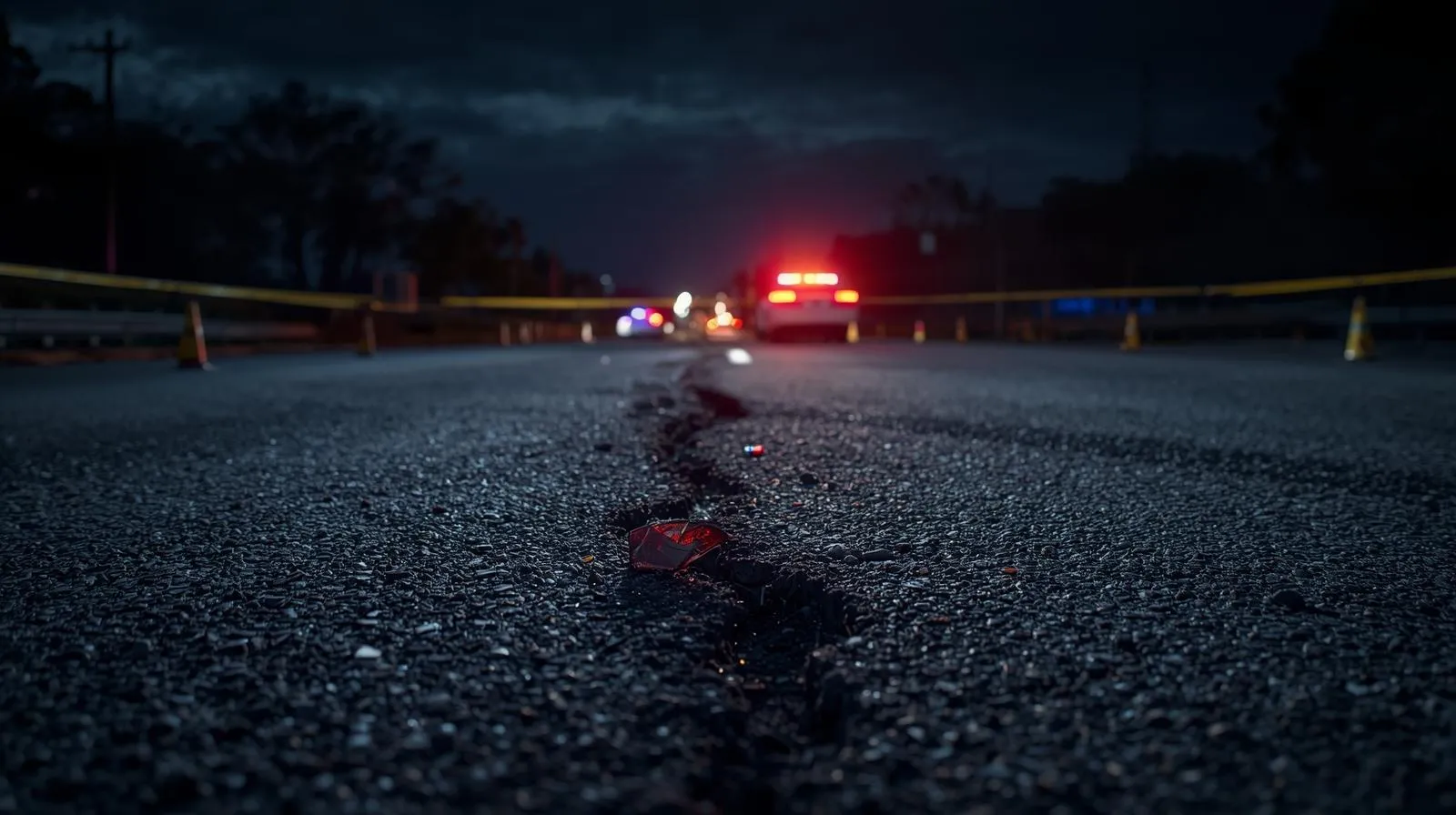
Understanding Vehicular Homicide Allegations in Florida
When a car accident with death occurs, the resulting legal consequences can be devastating. Vehicular homicide charges in Florida represent some of the most serious criminal allegations drivers can face, carrying penalties that include decades in prison. At Russo Law & Advocacy, vehicular homicide attorney Dominique Russo defends clients across Palm Beach, Broward, and Miami-Dade Counties against these severe charges, providing strategic defense whether the allegations involve DUI or reckless driving.
Understanding the critical differences between DUI manslaughter and reckless driving homicide is essential for anyone facing charges for car accident fatalities. Under Florida homicide law, these distinctions determine potential penalties, available defenses, and case outcomes.
What Constitutes Vehicular Homicide in Florida?
Legal Definitions
Vehicular homicide in Florida encompasses two primary charges:
- DUI Manslaughter (FS § 316.193)
- Death occurs while operating vehicle under influence
- Requires proof of impairment or BAC above legal limit
- 2nd-degree felony with severe penalties
- Vehicular Homicide (FS § 782.071)
- Death results from reckless operation
- No impairment required
- Can be 2nd or 3rd-degree felony depending on circumstances
Key Elements for Prosecution
For both charges, prosecutors must prove:
- Defendant was operating a motor vehicle
- Defendant’s operation was unlawful (DUI or reckless)
- Operation caused the death of another human
- Defendant’s conduct was a proximate cause of death
DUI Manslaughter: Understanding the More Severe Charge
What is DUI Manslaughter?
DUI manslaughter occurs when:
- Driver operates vehicle while impaired by alcohol/drugs
- Driver’s BAC is 0.08% or higher (or 0.04% for commercial drivers)
- Death results from the impaired operation
- No intent to kill required – negligence suffices
Penalties for DUI Manslaughter
- 2nd-degree felony
- Mandatory minimum 4 years prison (up to 15 years)
- Fines up to $10,000
- Permanent license revocation
- Ignition interlock device requirement if license restored
- Vehicle impoundment or immobilization
Enhanced Penalties
- Prior DUI convictions increase penalties
- Multiple fatalities lead to multiple charges
- Leaving the scene adds separate felony charges
- Child in vehicle enhances sentencing
Reckless Driving Vehicular Homicide
What Constitutes Reckless Driving Homicide?
This charge applies when death results from:
- Willful or wanton disregard for safety
- Extremely dangerous operation without impairment
- Conscious indifference to consequences
- Multiple traffic violations contributing to fatal outcome
Penalties for Reckless Vehicular Homicide
| Degree | Maximum Penalty | Typical Circumstances |
|---|---|---|
| 2nd-Degree Felony | 15 years prison | Death with reckless operation |
| 3rd-Degree Felony | 5 years prison | Death with failure to stop/render aid |
Critical Differences: DUI vs. Reckless Charges

Mental State Requirements
| Aspect | DUI Manslaughter | Reckless Vehicular Homicide |
|---|---|---|
| Impairment Required | Yes (alcohol/drugs) | No |
| Recklessness Required | No | Yes |
| Intent to Harm | Never required | Never required |
| Criminal Negligence | Sufficient | Required (higher standard) |
Evidentiary Differences
- DUI cases focus on chemical tests, field sobriety, impairment evidence
- Reckless cases focus on driving behavior, speed, traffic violations
- Both require causation proof linking driving to death
Defense Strategy Implications
- DUI defenses challenge impairment evidence and testing procedures
- Reckless defenses challenge driving behavior characterization
- Both require causation challenges and accident reconstruction
Common Scenarios Leading to Charges
DUI-Related Fatal Accidents
- Wrong-way drivers on highways
- High-speed collisions with impairment
- Pedestrian fatalities involving impaired drivers
- Multi-vehicle pileups with DUI contributor
Reckless Driving Fatalities
- Excessive speeding races or chases
- Aggressive driving with fatal outcomes
- Distracted driving (texting) causing death
- Street racing accidents
What is a Fatal Car Accident Legally?
A fatal car accident becomes criminal when:
- Driver fault is established through investigation
- Criminal negligence or impairment is proven
- Causation links driver conduct to death
- No legal justification exists for the conduct
Defense Strategies for Vehicular Homicide Charges

Challenging Causation
The most effective defense often questions whether the defendant caused the death:
- Pre-existing conditions – Victim had fatal medical condition
- Third-party actions – Other drivers contributed significantly
- Road/environmental factors – Weather, road defects, poor lighting
- Victim negligence – Pedestrian or other driver violations
DUI-Specific Defenses
- Breathalyzer challenges – Calibration, administration, machine errors
- Blood test issues – Chain of custody, contamination, analysis errors
- Rising BAC defense – Legal limit while driving, illegal later
- Medical conditions – Mimicking impairment symptoms
- Improper stop – No reasonable suspicion for traffic stop
Reckless Driving Defenses
- Accident, not recklessness – Unavoidable incident
- Speed estimation errors – Challenging police calculations
- Witness credibility issues – Conflicting accounts of driving
- Emergency circumstances – Avoiding immediate danger
Procedural Defenses
- Illegal search/seizure of vehicle or evidence
- Miranda violations during questioning
- Evidence spoliation – Lost/destroyed critical evidence
- Expert witness challenges – Accident reconstruction flaws
Car Accident Criminal Charges: Additional Considerations

Leaving the Scene Charges
- Separate felony if death involved (FS § 316.027)
- Mandatory minimum prison time
- License revocation requirements
- Aggravates underlying homicide charges
Multiple Charges from Single Incident
Common dui car accident charges combinations:
- DUI manslaughter + leaving scene
- Vehicular homicide + reckless driving causing injury
- Multiple counts for multiple victims
- Property damage charges in addition to homicide
Sentencing Mitigation Strategies
Pre-Trial Mitigation
- Remorse demonstration – Appropriate statements and actions
- Restitution offers – Financial compensation to victims’ families
- Treatment participation – Substance abuse or anger management
- Community service – Before sentencing decisions
Sentencing Advocacy
- Mental health evaluations showing underlying issues
- Character witnesses demonstrating overall responsible behavior
- Employment/family evidence showing rehabilitation potential
- Alternative sentencing proposals with monitoring/treatment
FAQs About Vehicular Homicide Charges
1. What’s the difference between DUI manslaughter and vehicular homicide?
DUI requires impairment; vehicular homicide requires recklessness without impairment.
2. Can I go to prison for an accidental fatal car accident?
Yes, if negligence rises to criminal level (DUI impairment or extreme recklessness).
3. How long do vehicular homicide investigations take?
Typically 6-18 months for complete accident reconstruction and evidence analysis.
4. What happens to my license after a fatal accident charge?
Immediate suspension, with potential permanent revocation upon conviction.
5. Do you handle vehicular homicide cases throughout South Florida?
Yes. We serve all South Florida counties, including:
- Miami-Dade County (Miami, Coral Gables, Hialeah)
- Palm Beach County (West Palm Beach, Boca Raton, Jupiter)
- Broward County (Fort Lauderdale, Hollywood, Pembroke Pines)
Facing Vehicular Homicide Charges? Get Defense Help Now
If you’re facing vehicular homicide charges in Florida, don’t navigate this complex process alone. Contact vehicular homicide attorney Dominique Russo at Russo Law & Advocacy for a free consultation. We serve clients across South Florida, including:
📍 Palm Beach County (West Palm Beach, Boca Raton, Jupiter)
📍 Broward County (Fort Lauderdale, Hollywood, Pembroke Pines)
📍 Miami-Dade County (Miami, Coral Gables, Hialeah)
“Vehicular homicide charges carry severe penalties that require immediate, experienced defense. We investigate accident causes, challenge evidence, and fight for your future.”