Understanding Florida’s Mental Health Court System
If you or a loved one is facing criminal charges while struggling with mental health issues, you may be wondering what is mental health court? In Florida, mental health courts are specialized court programs designed to address the unique needs of defendants with mental illnesses. At Russo Law & Advocacy, Dominique Russo helps clients across Florida navigate these specialized courts and secure treatment-focused outcomes.
Florida’s mental health courts operate under Florida Statute § 394.47892, which establishes these specialized divisions within the state’s court system. These courts recognize that traditional punitive approaches often fail defendants with mental health conditions and instead focus on treatment, rehabilitation, and community safety.
How Does Mental Health Court Work?
Understanding how does mental health court work is crucial for determining if it’s the right option for your case:
The Mental Health Court Process
- Screening and Referral – Cases are identified by defense attorneys, prosecutors, or jail staff
- Eligibility Assessment – Comprehensive evaluation by mental health professionals
- Voluntary Participation – Defendants choose to enter the program
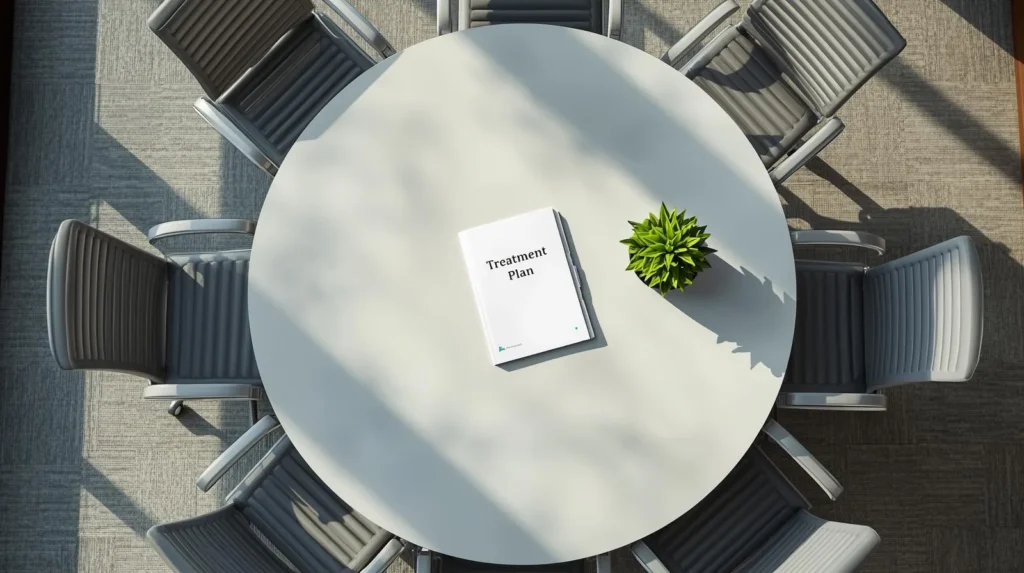
- Treatment Plan Development – Individualized treatment addressing specific needs
- Regular Court Appearances – Frequent check-ins with the mental health court judge
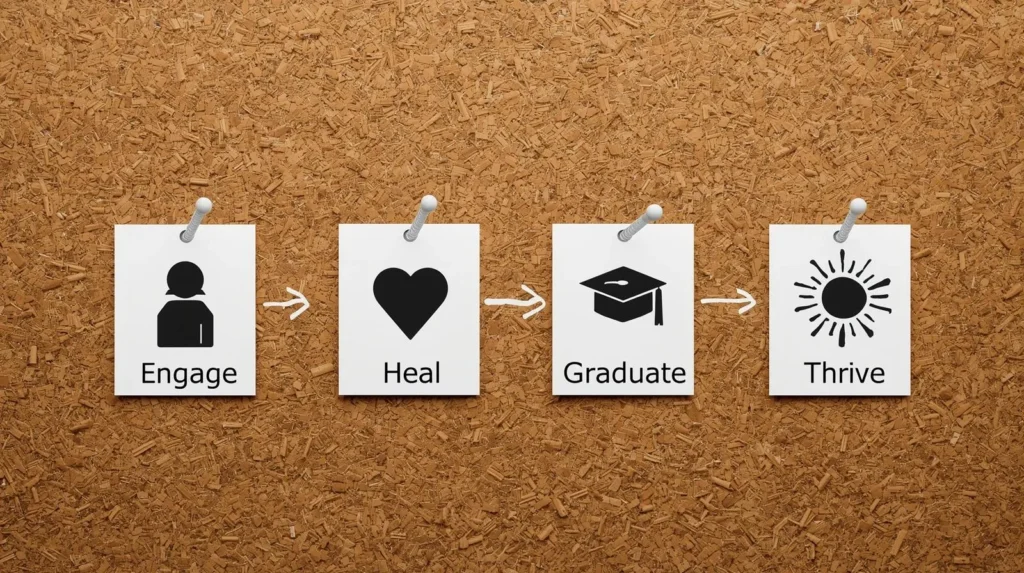
- Program Completion – Graduation upon meeting all requirements
- Case Resolution – Charges may be reduced or dismissed upon successful completion
Key Components of Mental Health Court
- Specialized judges trained in mental health issues
- Mental health professionals on the court team
- Treatment instead of punishment focus
- Regular monitoring and support
- Collaborative approach involving defense, prosecution, and treatment providers
Mental Health Court Eligibility Requirements
Mental health court eligibility varies by jurisdiction but typically includes:
Common Eligibility Criteria
- Diagnosed mental illness or co-occurring disorder
- Non-violent offenses (eligibility varies for some violent crimes)
- Voluntary participation – defendants must choose to enter the program
- Residency requirements in the court’s jurisdiction
- Competency to understand the program requirements
Typical Exclusion Criteria
- Violent felony offenses in some jurisdictions
- Sex offenses
- Extensive criminal history in some programs
- Defendants deemed dangerous to the community
- Inability to participate meaningfully due to severe symptoms
How Long is Mental Health Court?
When considering mental health court, many ask: how long is mental health court? The duration varies but typically:
Program Length
- 12 to 24 months on average
- Phased approach with decreasing supervision over time
- Extension possible for participants needing additional support
- Early graduation for exceptional participants
Factors Affecting Duration
- Severity of mental health condition
- Nature of the criminal charges
- Progress in treatment
- Compliance with program requirements
- Availability of community resources
Mental Health Courts Pros and Cons
Understanding mental health courts pros and cons helps in making informed decisions:
Pros of Mental Health Court
- Treatment-focused approach rather than punishment
- Reduced or dismissed charges upon successful completion
- Improved mental health outcomes
- Lower recidivism rates compared to traditional courts
- Supportive team approach with regular monitoring
- Addresses root causes of criminal behavior
Cons of Mental Health Court
- Stringent requirements and frequent court appearances
- Longer supervision than traditional probation in some cases
- Possible treatment costs not covered by insurance
- Risk of failure leading to traditional prosecution
- Limited availability in some jurisdictions
- Stigma associated with mental health diagnosis
Where to Go for Court Ordered Mental Health Evaluation
If you need a court ordered mental health evaluation in Florida, options include:
Court-Approved Evaluation Providers
- Florida Department of Children and Families approved providers
- Community mental health centers
- Private psychiatrists and psychologists with court experience
- University-affiliated clinics
- Hospital-based evaluation programs
Evaluation Process
- Court order specifying evaluation type and purpose
- Comprehensive assessment including interviews and testing
- Report preparation with findings and recommendations
- Court testimony if required by the judge
Important: Always consult with your attorney before undergoing any court-ordered evaluation to protect your rights.
Success in Mental Health Court: What It Requires
Participant Responsibilities
- Regular court appearances
- Compliance with treatment plans
- Medication management if prescribed
- Abstinence from substance use
- Stable housing (often a requirement)
- Productive activity (work, school, volunteer)
Support Systems
- Family involvement when appropriate
- Case management services
- Peer support specialists
- Crisis intervention resources
FAQs About Florida Mental Health Courts
1. Can violent offenders enter mental health court?
Some programs accept certain violent offenders, but eligibility varies by jurisdiction and offense severity.
2. Are mental health court records confidential?
Treatment records are protected, but court proceedings are generally public like other court matters.
3. What happens if I fail mental health court?
You return to traditional court proceedings, though some programs allow re-entry after addressing issues.
4. Can I choose my own treatment provider?
Sometimes, but providers must typically be court-approved and meet specific criteria.
5. Do you handle mental health court cases throughout Florida?
Yes. We serve all Florida counties with mental health courts, including:
- Miami-Dade County (Miami-Dade Mental Health Court)
- Palm Beach County (West Palm Beach Mental Health Court)
- Broward County (Broward Mental Health Court)
Need Help with Mental Health Court? Contact Us Today
If you’re considering mental health court or facing court-ordered evaluations, contact Dominique Russo at Russo Law & Advocacy for a free consultation. We serve clients across Florida, including:
📍 Palm Beach County (West Palm Beach, Boca Raton, Jupiter)
📍 Broward County (Fort Lauderdale, Hollywood, Pembroke Pines)
📍 Miami-Dade County (Miami, Coral Gables, Hialeah)
“Mental health court offers a compassionate alternative to traditional prosecution. We help clients navigate this specialized system toward better outcomes.”