
Understanding Your Miranda Warning Rights: What to Say When Confronted by Police
Being questioned by law enforcement can be a daunting experience, regardless of your innocence. The stress and uncertainty can lead individuals to make statements that inadvertently harm their case. This is precisely why understanding your miranda warning rights is not just important, but absolutely critical. As Dominique Russo, a seasoned legal advocate, often emphasizes, knowing what to say, and more importantly, what not to say, can significantly impact the outcome of any interaction with the police. This guide will demystify your constitutional protections, particularly within the diverse communities of Palm Beach, Miami-Dade, and Broward Counties.
What Are Your Miranda Warning Rights? The Core Miranda Rules
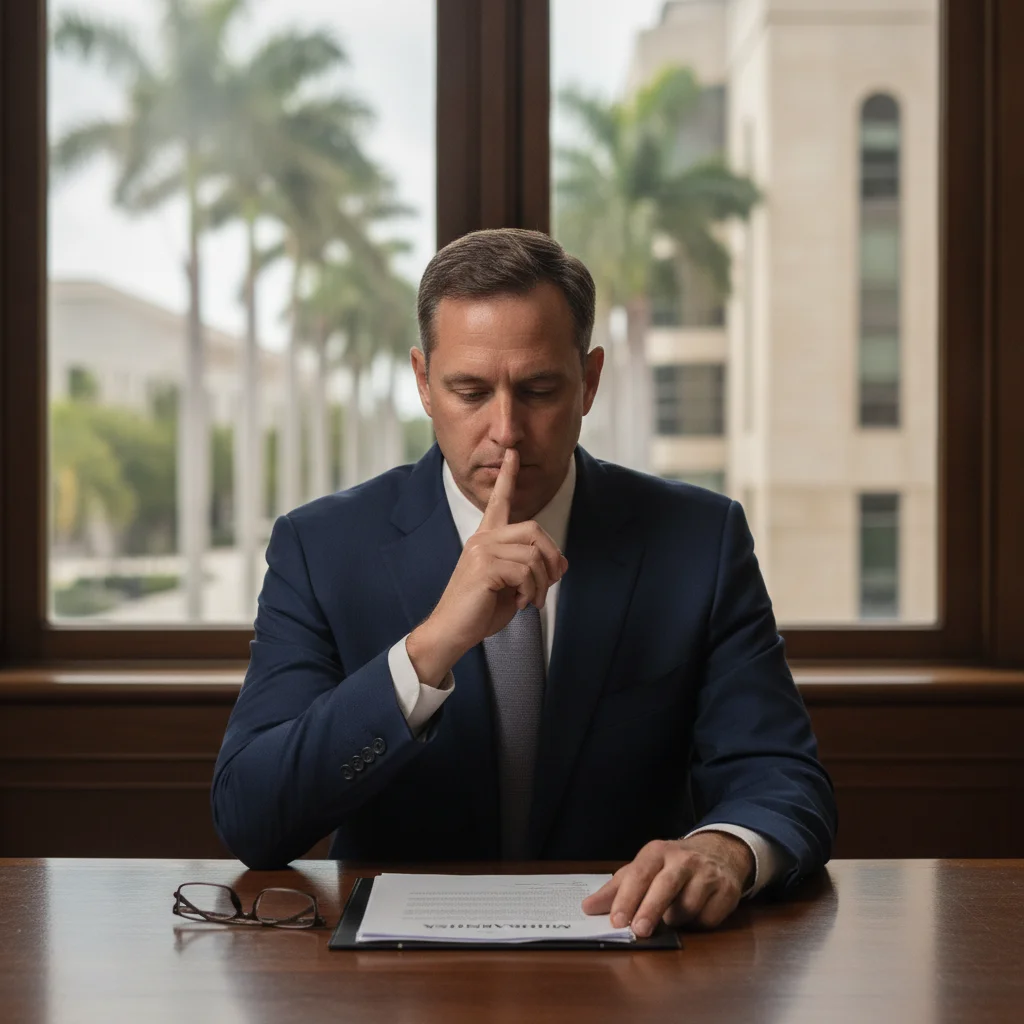
The miranda warning rights stem from the landmark 1966 Supreme Court case, Miranda v. Arizona. This pivotal miranda rights case established that individuals taken into police custody must be informed of their Fifth Amendment constitutional right against self-incrimination and their Sixth Amendment right to an attorney. These are often referred to as the miranda rules, and they are a cornerstone of due process in the United States.
Specifically, you must be informed of the following:
- You have the right to remain silent. Anything you say can and will be used against you in a court of law.
- You have the right to an attorney.
- If you cannot afford an attorney, one will be appointed for you prior to any questioning, if you so desire.
- You have the right to stop answering questions at any time.
Police officers often carry a miranda rights card for police to ensure these warnings are read accurately. However, the mere reading of these rights does not automatically mean you understand their full implications or how to effectively invoke them.
When Do Police Need to Read You Your Miranda Warning Rights?
It’s a common misconception that police must read you your miranda warning rights the moment they interact with you. This is not accurate. The Miranda warning is only required when two conditions are met simultaneously:
- Custody: You are not at liberty to leave, meaning a reasonable person would believe they are under arrest or their freedom of movement is significantly restricted.
- Interrogation: The police are asking questions designed to elicit an incriminating response, or engaging in actions that are the functional equivalent of questioning.
If you are not in custody, or if you are in custody but not being interrogated, the police are not legally obligated to read you your Miranda rights. However, any statements you make voluntarily, even without a Miranda warning, can still be used against you.
The Power of Silence: What to Say (and Not to Say) During Police Interrogation
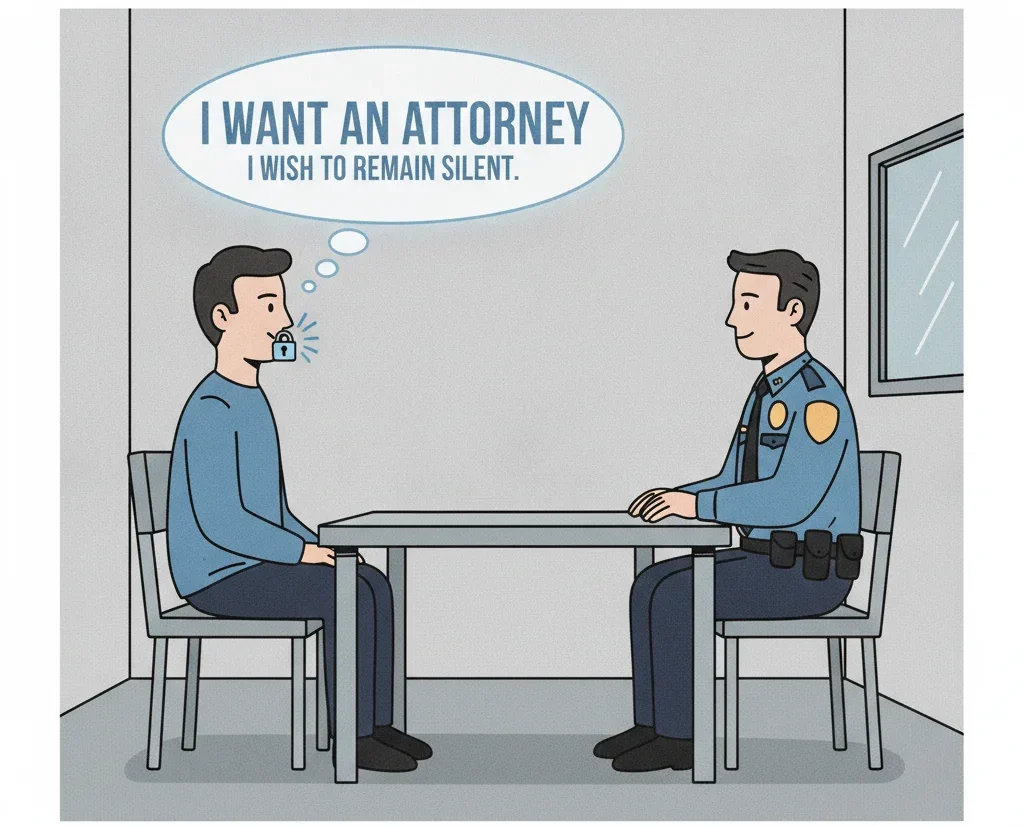
The most crucial aspect of your miranda warning rights is the right to remain silent. This is your most potent defense during a police interrogation. Many individuals, out of nervousness or a desire to cooperate, attempt to explain themselves, only to inadvertently provide information that can be misconstrued or used against them later.
When confronted by law enforcement, especially if you feel you are in custody, the clearest and most effective statements you can make are:
- ‘I wish to remain silent.’
- ‘I want an attorney.’
Once you invoke your right to remain silent and your right to counsel, the police must immediately cease all questioning. They cannot try to persuade you to talk, nor can they continue the interrogation without your attorney present. Be firm, clear, and consistent. Do not engage in casual conversation, answer ‘just a few questions,’ or attempt to clarify your situation without legal representation. Police are trained in various police interrogation techniques, and even seemingly innocuous questions can be designed to gather information.
Remember, silence is not an admission of guilt; it is the exercise of a constitutional right. Anything you say can be recorded and used in court, so exercising your right to remain silent is often the safest course of action.
Navigating Your Miranda Warning Rights in South Florida’s Diverse Counties
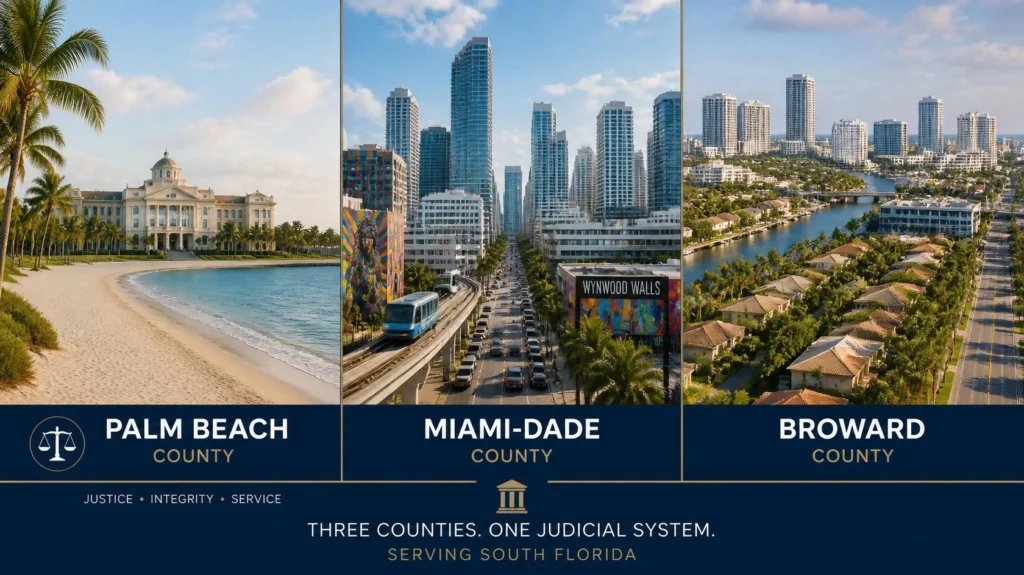
While miranda rules are federal, their application and the local law enforcement environment can feel different across South Florida’s distinct counties. Understanding these nuances is vital for anyone facing a potential police interrogation.
Palm Beach County: Understanding Your Rights
Palm Beach County, known for its diverse communities ranging from the bustling urban centers of West Palm Beach and Boca Raton to the more suburban feel of Jupiter, presents a unique landscape for police interactions. The Palm Beach County Sheriff’s Office and various municipal police departments operate within this area. Residents here, whether long-term or seasonal, should be acutely aware of their miranda warning rights. The legal process following an arrest in Palm Beach County can be complex, and understanding your rights from the outset is paramount. See More
Miami-Dade County: A Unique Legal Landscape
Miami-Dade County, a vibrant melting pot of cultures and languages, including Miami, Coral Gables, and Hialeah, has one of the largest and most diverse populations in Florida. This diversity can sometimes introduce additional complexities during police interactions, such as potential language barriers. While the miranda rules apply universally, ensuring they are understood by individuals who may not speak English as a first language is crucial. Law enforcement agencies in Miami-Dade are generally equipped to handle these situations, but asserting your right to an interpreter, in addition to your right to remain silent and request for an attorney, is a critical step.
Broward County: Protecting Your Interests
Broward County, encompassing major cities like Fort Lauderdale, Hollywood, and Pembroke Pines, sits between Palm Beach and Miami-Dade, sharing characteristics of both. Its dense population and varied demographics mean that police interactions are frequent and diverse. Whether you’re a tourist or a long-time resident, knowing your miranda warning rights is essential. The Broward Sheriff’s Office and numerous city police departments uphold the same constitutional standards, but the sheer volume of cases means that individuals must be proactive in protecting their interests from the moment a police interrogation begins.
| Aspect of Interaction | Palm Beach County | Miami-Dade & Broward Counties |
|---|---|---|
| Demographic Diversity | Significant, with varied socio-economic backgrounds. | Extremely high, including large Hispanic and Caribbean populations. |
| Language Considerations | English and Spanish common; interpreters available. | Multilingual environment; interpreter services are frequently utilized and often essential. |
| Law Enforcement Agencies | Palm Beach County Sheriff’s Office and numerous municipal police departments. | Miami-Dade Police Department, Broward Sheriff’s Office, and many municipal agencies. |
| Common Scenarios | Traffic stops, property crimes, domestic disputes. | Traffic stops, drug offenses, false allegations of domestic violence See More, immigration-related interactions. |
Florida Statutes Related to Your Miranda Warning Rights
While Miranda is a federal constitutional protection, Florida Statutes also reinforce aspects of your rights during an arrest and interrogation. Understanding these state-level provisions can further empower you:
- Florida Statute 901.17: Duty of officer to inform person arrested of cause of arrest. This statute mandates that an officer making an arrest without a warrant must inform the arrested person of the officer’s authority and the specific charge or cause of the arrest.
- Florida Statute 901.24: Right of person arrested to communicate with attorney and friends. This statute explicitly grants an arrested person the right to communicate with an attorney and friends, and to have a reasonable opportunity to do so.
- Florida Statute 901.26: Interrogation of person arrested. This statute states that an arrested person ‘shall not be subjected to prolonged questioning without first being given an opportunity to consult with counsel.’ This reinforces the Miranda right to counsel during interrogation.
These statutes, alongside your miranda warning rights, form a robust framework for protecting individuals during police encounters in Florida. You can review the full text of these statutes on the official Florida Senate website for detailed information.
| Miranda Right Element | What It Means | Recommended Action |
|---|---|---|
| Right to Remain Silent | You don’t have to answer any questions from police. | State clearly: ‘I wish to remain silent.’ |
| Anything You Say Can Be Used Against You | Any statement, even seemingly innocent, can be used as evidence. | Do not engage in conversation or try to explain your situation. |
| Right to an Attorney | You have the right to have legal counsel present during questioning. | State clearly: ‘I want an attorney.’ |
| Right to Appointed Counsel | If you cannot afford an attorney, one will be provided. | If applicable, state: ‘I cannot afford an attorney and request one.’ |
| Right to Stop Questioning | You can stop answering questions at any point, even if you started. | Reiterate: ‘I wish to remain silent and want my attorney.’ |
Legal Disclaimer
This article provides general information and is not intended as legal advice. The law is complex and constantly evolving. The specific facts of your case will determine the applicable legal principles. Do not act or refrain from acting based on the information provided here without consulting a qualified attorney.
Understanding and asserting your miranda warning rights is a fundamental aspect of protecting yourself within the justice system. The moments following an arrest or during a police interrogation are critical, and your decisions can have long-lasting consequences. Whether you are in Palm Beach County, Miami-Dade County, or Broward County, your constitutional rights remain steadfast.
Get a Criminal Defense Attorney Now

Contact Dominique Russo at Russo Law & Advocacy for a free consultation. We serve clients across South Florida, including:
- Palm Beach County (West Palm Beach, Boca Raton, Jupiter)
- Broward County (Fort Lauderdale, Hollywood, Pembroke Pines)
- Miami-Dade County (Miami, Coral Gables, Hialeah)
Frequently Asked Questions (FAQ) about Miranda Warning Rights
What exactly are my Miranda warning rights?
Your Miranda warning rights are constitutional protections that inform you of your right to remain silent and your right to an attorney during a custodial police interrogation. These rights ensure you are aware that anything you say can be used against you in court, and that legal counsel will be provided if you cannot afford one.
When do police have to read me my Miranda rights?
Police are only required to read you your Miranda rights when you are both in custody (meaning you are not free to leave) and being interrogated (meaning they are asking questions designed to elicit an incriminating response). If either of these conditions is not met, they are not legally obligated to read them.
What should I say if I’m read my Miranda warning rights?
The most effective statements are ‘I wish to remain silent’ and ‘I want an attorney.’ Once you clearly state these, police must stop questioning you. Do not engage in further conversation or try to explain your situation without your attorney present.
Can my silence be used against me in court?
No. Invoking your right to remain silent cannot be used as evidence of guilt. It is a constitutional right, and prosecutors cannot comment on your decision to remain silent. However, if you speak, even briefly, your statements can be used.
Do Miranda rules differ in Palm Beach, Miami-Dade, or Broward Counties?
The core Miranda rules are federal and apply uniformly across all counties in Florida, including Palm Beach, Miami-Dade, and Broward. However, local law enforcement agencies and the specific demographics of each county might influence how interactions unfold, such as the need for interpreters in diverse areas like Miami-Dade.