Understanding Palm Beach County’s Drug Court Program
Palm Beach Drug Court represents Florida’s progressive approach to addressing substance abuse through treatment rather than punishment. This specialized court program offers alternative sentencing options for eligible non-violent offenders struggling with addiction. At Russo Law & Advocacy, Dominique Russo helps clients across Palm Beach, Broward, and Miami-Dade Counties navigate the drug court system, from initial assessment to successful program completion.
Understanding the critical choice between rehabilitation vs jail can mean the difference between rebuilding your life and facing years of incarceration. Palm Beach County’s drug court focuses on treating the root causes of criminal behavior, substance abuse, while holding participants accountable through structured supervision and support.
What is Palm Beach Drug Court?
Program Overview
Palm Beach Drug Court is a specialized division of the 15th Judicial Circuit Court that:
- Provides treatment-based sentencing instead of incarceration
- Addresses substance abuse issues driving criminal behavior
- Uses judicial supervision with regular court appearances
- Employs multidisciplinary teams (judges, prosecutors, defense, treatment providers)
- Focuses on long-term recovery and community reintegration
Program Philosophy: Rehabilitation vs Jail
The fundamental principle behind drug court is the recognition that:
- Addiction is a disease requiring treatment, not just punishment
- Recidivism rates drop significantly with proper treatment
- Community safety improves when offenders receive rehabilitation
- Taxpayer costs decrease compared to incarceration
Legal Authority
Operating under Florida Statute § 397.334, Palm Beach Drug Court has specific statutory authority to:
- Divert eligible offenders from traditional prosecution
- Order substance abuse assessment for court purposes
- Mandate participation in drug treatment programs
- Impose graduated sanctions and incentives
- Dismiss charges upon successful completion
Eligibility Requirements for Palm Beach Drug Court
General Eligibility Criteria
To qualify for Palm Beach Drug Court, defendants typically must:
- Be Palm Beach County residents
- Face non-violent drug offenses or drug-related crimes
- Have substance abuse issues contributing to criminal behavior
- Voluntarily choose to participate (not be coerced)
- Demonstrate willingness to engage in treatment
- Have no extensive violent criminal history
Common Qualifying Offenses
- Drug possession (all schedules)
- Drug paraphernalia possession
- Theft or fraud to support addiction
- Prescription fraud
- Probation violations related to substance use
- Certain DUI offenses with substance abuse issues
Typical Exclusion Criteria
- Violent felony offenses (murder, armed robbery, sexual battery)
- Drug trafficking charges (large quantities, distribution networks)
- Extensive criminal histories with violent patterns
- Serious mental health issues requiring different intervention
- Unwillingness to admit substance abuse problem
The Drug Court Process: Step by Step
Step 1: Screening and Assessment
- Referral – From defense attorney, prosecutor, or judge
- Initial screening – Basic eligibility determination
- Comprehensive substance abuse assessment for court
- Clinical evaluation – Treatment needs and recommendations
- Program admission decision by drug court team
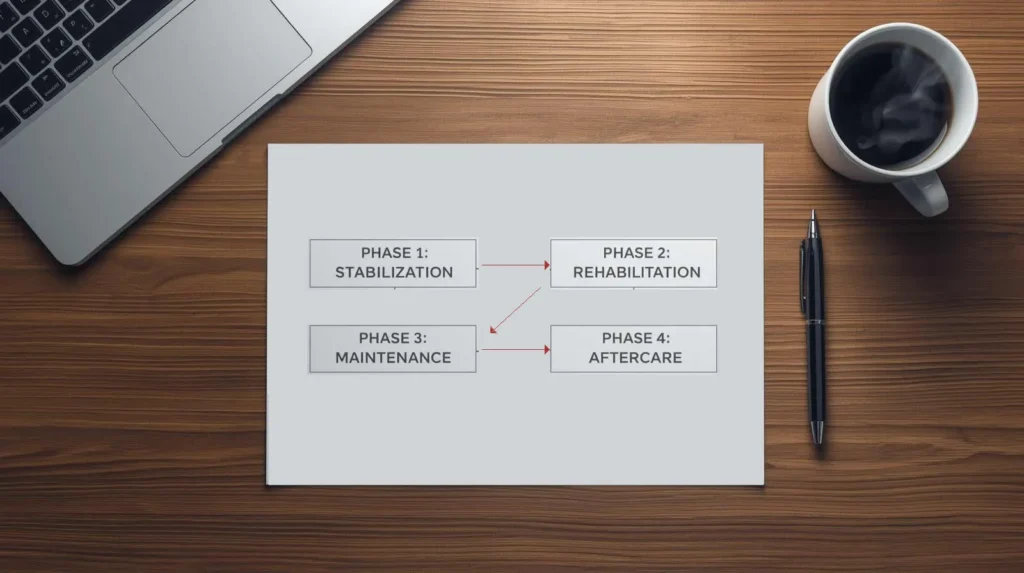
Step 2: Treatment Phases
Phase 1: Stabilization (3-6 months)
- Detoxification if needed
- Residential treatment or intensive outpatient
- Daily supervision and drug testing
- Weekly court appearances
Phase 2: Rehabilitation (4-8 months)
- Continued treatment with reduced intensity
- Vocational/educational programming
- Life skills development
- Bi-weekly court appearances
Phase 3: Maintenance (4-6 months)
- Outpatient treatment and support groups
- Employment/education requirements
- Community service obligations
- Monthly court appearances
Phase 4: Aftercare (3-6 months)
- Continued monitoring and support
- Relapse prevention planning
- Gradual transition to independent living
- Bi-monthly court appearances
Step 3: Graduation and Case Resolution
- Successful completion of all program requirements
- Case dismissal or reduction of charges
- Record sealing opportunities in some cases
- Alumni support and continued recovery resources
How to Petition the Court for Admission
Initial Steps
- Initial case evaluation with experienced Drug Attorney – Eligibility assessment
- Substance abuse assessment – By court-approved provider
- Treatment plan development – Based on assessment results
- Motion filing – Formal request for drug court consideration
- Prosecutor negotiation – Agreement on charges and terms
Key Documentation Required
- Comprehensive assessment report from approved provider
- Treatment provider acceptance letter
- Personal statement demonstrating commitment
- Support system documentation (family, employment, housing)
- Criminal history review and analysis
Court Petition Strategy
- Demonstrate genuine commitment to recovery
- Highlight treatment readiness and willingness
- Show community support systems in place
- Address prosecution concerns proactively
- Present viable treatment plan with provider commitment
Drug Treatment Programs in Palm Beach County
Court-Approved Treatment Providers
Palm Beach Drug Court works with various programs for drug abuse, including:
Residential Treatment Facilities
- The Hanley Center – Comprehensive addiction treatment
- Origins Behavioral HealthCare – Evidence-based programs
- Ambrosia Treatment Center – Medical detox and rehabilitation
Outpatient Programs
- South County Mental Health Center – Intensive outpatient
- ADT Healthcare – Medication-assisted treatment
- Local counseling centers – Individual and group therapy
Specialized Services
- Dual diagnosis treatment – For co-occurring mental health issues
- Medication-assisted treatment – For opioid addiction
- Family therapy programs – Addressing relationship impacts
- Vocational rehabilitation – Employment readiness training
Treatment Components
- Individual counseling – One-on-one therapy sessions
- Group therapy – Peer support and shared experiences
- Family education – Involving support systems in recovery
- Relapse prevention – Skills for maintaining sobriety
- 12-step integration – AA/NA meeting requirements
- Medication management – When clinically appropriate
Benefits of Drug Court vs. Traditional Sentencing
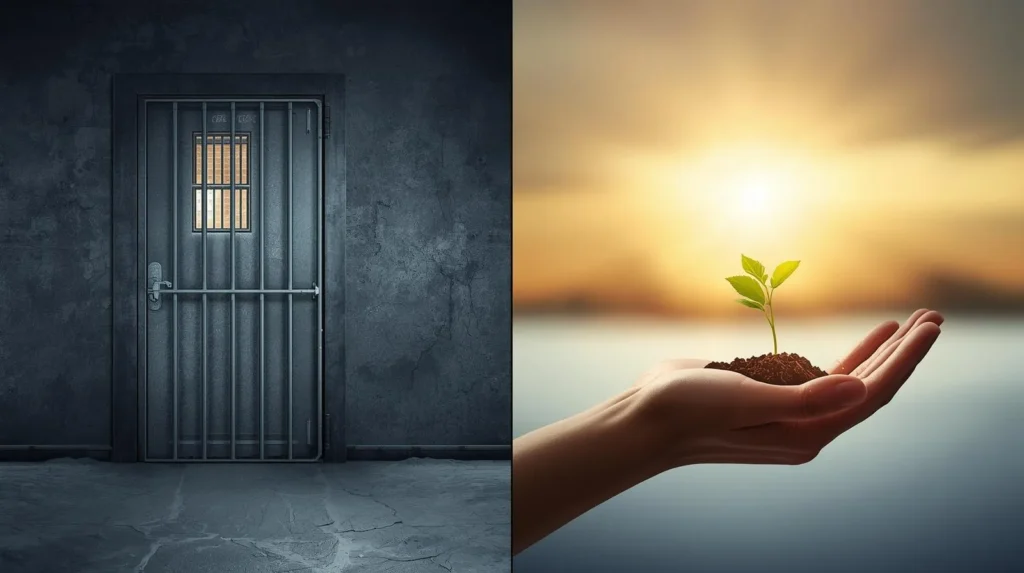
Advantages of Drug Court
| Aspect | Drug Court | Traditional Sentencing |
|---|---|---|
| Outcome | Treatment and recovery | Incarceration |
| Record | Possible dismissal/sealing | Permanent conviction |
| Cost | Lower taxpayer expense | High incarceration costs |
| Recidivism | 50-70% lower rates | Higher reoffending rates |
| Reintegration | Structured community reentry | Limited post-release support |
Personal Benefits for Participants
- Avoid incarceration and family separation
- Address root causes of criminal behavior
- Develop life skills for long-term success
- Maintain employment and family connections
- Build sober support networks
- Achieve personal growth and recovery
Challenges and Requirements of Drug Court
Program Demands
- Frequent court appearances – Weekly initially, then bi-weekly/monthly
- Regular drug testing – Random and scheduled screenings
- Treatment compliance – Attendance at all required sessions
- Program fees – Typically $50-100 monthly
- Community service – 20-40 hours monthly
- Employment/education requirements – Must maintain productive activity
Graduated Sanctions System
For program violations, sanctions may include:
- Increased drug testing frequency
- Additional treatment sessions
- Community service hours
- Brief jail stays (24-72 hours)
- Phase demotion in program
- Program termination for repeated serious violations
Incentives for Compliance
- Phase advancement with reduced requirements
- Reduced court appearances
- Verbal recognition from judge
- Gift cards or tokens for milestones
- Case dismissal upon graduation
FAQs About Palm Beach Drug Court
1. How long does Palm Beach Drug Court take?
Typically 12-24 months, depending on individual progress and compliance.
2. Can I be expelled from drug court?
Yes. For repeated violations, new criminal charges, or failure to engage in treatment.
3. What happens if I relapse during the program?
Relapse is often addressed with increased treatment rather than automatic expulsion, unless patterns develop.
4. Are drug court records public?
Court proceedings are generally public, but treatment records are protected by confidentiality laws.
5. Do you handle drug court cases throughout South Florida?
Yes. We serve all South Florida counties, including:
- Miami-Dade County (Miami Drug Court)
- Palm Beach County (West Palm Beach Drug Court)
- Broward County (Fort Lauderdale Drug Court)
Considering Drug Court? Get Legal Guidance Now
If you’re facing drug charges and considering Palm Beach Drug Court, contact Drug Attorney Dominique Russo at Russo Law & Advocacy for a free consultation. We serve clients across South Florida, including:
📍 Palm Beach County (West Palm Beach, Boca Raton, Jupiter)
📍 Broward County (Fort Lauderdale, Hollywood, Pembroke Pines)
📍 Miami-Dade County (Miami, Coral Gables, Hialeah)
“Drug court offers a second chance through treatment rather than punishment. We guide clients through eligibility, admission, and successful program completion.”